
Why Choose GFTS?
Choosing a flight school is about more than aircraft, flight hours or certificates. It is about choosing the environment where you will develop your skills, build your confidence and begin shaping your future as a pilot.
Great pilots are developed through sound judgment, discipline, situational awareness and responsible decisions, especially when conditions become challenging.

Training with a Purpose
Passing a checkride is an important milestone, but not the ultimate measure of development. Every stage builds the habits behind safe, professional flying, from your first solo to advanced training and time building.
Evaluate situations, recognize risks and make sound decisions.
Take responsibility for the aircraft, its occupants and decisions made in flight.
Consistent habits in flight planning, briefing, procedures and personal readiness.
Understand the aircraft, the environment and the factors that influence a flight.
Own decisions, performance and continuous improvement.
A Training Approach Built Around You
Students arrive with different experience, learning styles, schedules and ambitions, and training should reflect that.
Our goal is to help you understand what you are learning, why it matters and how to apply it, as an active, engaged and accountable participant in your own development.
A structured pathway that develops knowledge, skills and responsibility progressively.
A more individualized approach for greater scheduling flexibility.
Structured Training. Clear Objectives.
GFTS offers both FAA Part 141 and Part 61 flight training. Neither is automatically right for everyone, so the best start is understanding your goals.
Part 141
For aspiring professionals: an organized framework with an FAA-approved curriculum, defined stages and structured progress toward milestones.
Part 61
For students whose goals, availability or learning style call for an individualized experience. Well suited to recreational pilots and those balancing other commitments.
A More Cost-Effective Flying Environment
Where you train can make a significant difference to your flight training experience and to your overall training costs.
At larger, busier airports, students can spend a considerable portion of a scheduled flight taxiing, departing, and travelling to and from their practice areas. Depending on the airport, traffic, and training activity, this transit time can represent a significant part of the flight.
GFTS is the only flight school based at Immokalee Regional Airport (KIMM), a non-towered airport in Southwest Florida: with practice areas located just outside the airport
environment, our students benefit from convenient access to the areas where much of their flight training takes place.
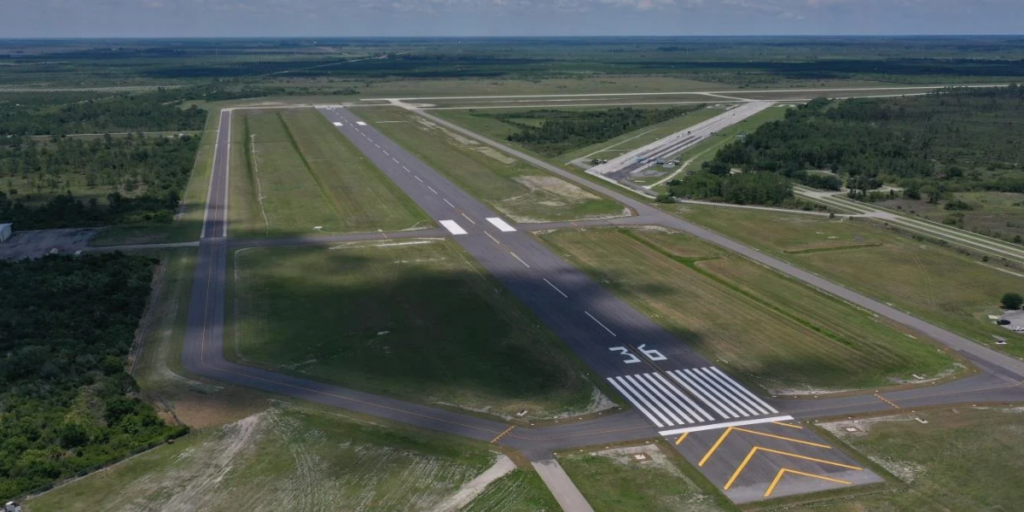
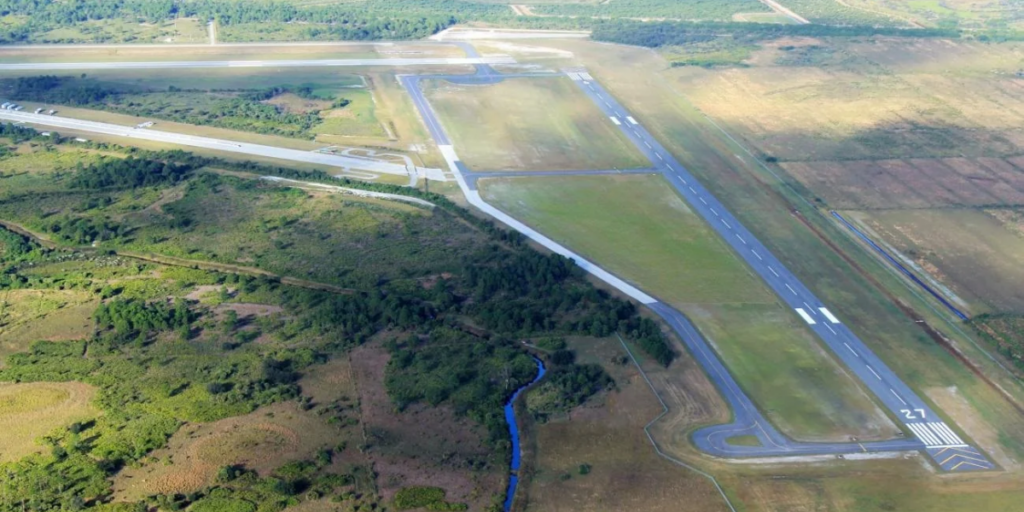
By reducing the time needed to reach nearby training areas, students have more opportunities and time focusing on the maneuvers, procedures, and skills that move their
training forward at a faster pace.
Fewer sequencing delays, with proper traffic awareness and radio calls still required. Two runways give flexibility for normal and crosswind practice.
Fewer sequencing delays, with proper traffic awareness and radio calls still required. Two runways give flexibility for normal and crosswind practice.
Build fundamentals at KIMM, then experience busier airports, towered radio work and complex airspace, less than 10 minutes away.
More training value. Less time in transit. A smarter way to build your flying skills.
Train in the Florida Flying Environment
Florida offers an excellent environment for flight training, with generally favorable flying weather throughout much of the year. Full days lost to adverse weather can be relatively uncommon, allowing students to maintain training continuity, reinforce their skills, and make consistent progress.
But Florida’s weather offers more than favorable flying conditions. Its subtropical climate can also bring rapidly developing weather, particularly during the summer months, when local thunderstorms may form around the middle of the day and require pilots to reassess their plans.
For pilots in training, this creates a valuable learning environment. A day that begins with favorable conditions may require a change of plan a few hours later. Students have opportunities to develop the habit of monitoring weather, recognizing potential hazards, evaluating alternatives, and making timely decisions about whether to continue, modify, delay, or cancel a flight.
At GFTS, we believe these decisions are an essential part of becoming a capable Pilot in Command. Flying is not simply about handling an aircraft when conditions are ideal; it is also about knowing how to respond when circumstances change.


Florida provides a combination of frequent flying opportunities and meaningful weather related decision-making challenges. With appropriate instructor guidance and within the student’s level of experience, these conditions can help develop:
Understand changing conditions and recognize developing hazards.
Evaluate risks and choose an appropriate course of action.
Consider alternatives and adjust plans as conditions evolve.
Know when to proceed, when to change the plan, and when not to fly.
More training value. Less time in transit. A smarter way to build your flying skills.
A More Cost-Effective Flying Environment
For international students, choosing to train in the United States is an important step that involves more than learning to fly. It means adapting to a different aviation environment, understanding the training process, and planning for life in another country.
Training within the FAA system gives students the opportunity to develop their flying skills under U.S. aviation standards and procedures. Exposure to different airspaces, radio communications, and operating environments can also broaden their experience as pilots.
We understand that planning flight training from abroad can raise practical questions about admissions, training requirements, accommodation, and the steps involved in getting started.
GFTS can help prospective students understand the available training pathways and plan their next steps.
Our objective is to make the training process clearer from the beginning, so students can approach their aviation goals with a better understanding of what lies ahead.

A Long-Term Perspective
Aviation demands continuous learning. Preparation, situational awareness, accountability and sound decision-making stay priorities throughout a pilot’s development, whether you are an aspiring professional, a private pilot or a time builder.
Earning a certificate is an achievement, but becoming a good pilot is an ongoing commitment.
Need Help For Flight Training?
🟢 Online | Privacy policy
Need Help?